
India's online fashion market is one of the fastest-growing e-commerce segments in the country. From handloom sarees and designer kurtis to streetwear and sustainable fashion, Indian consumers are increasingly comfortable buying clothing online.
If you're a designer, boutique owner, reseller, or fashion enthusiast looking to start an online clothing business, the opportunity has never been better. You don't need a physical store, a large inventory, or technical skills to get started.
This guide covers everything you need to know — from choosing your niche and photographing products to managing sizes, pricing, marketing on Instagram, and choosing the right e-commerce platform.
The Online Fashion Opportunity in India
A few numbers to set the context:
- India's fashion e-commerce market is projected to exceed $30 billion by 2027, growing at 25-30% annually.
- Social commerce (selling via Instagram, WhatsApp, and other social platforms) is particularly strong in fashion, with an estimated 40% of fashion purchases influenced by social media.
- Tier 2 and Tier 3 cities are driving much of the growth. Customers in Lucknow, Jaipur, Coimbatore, and Indore are shopping online for fashion as actively as those in metros.
- Niche fashion — sustainable clothing, handloom, regional traditional wear, plus-size fashion — is thriving online because physical retail stores in smaller cities often don't stock these categories.
The barrier to entry is low. You can start with as few as 10-20 products, a smartphone camera, and an online store. Here's how to do it right.
Choosing Your Fashion Niche
The biggest mistake new fashion sellers make is trying to sell everything. "Women's clothing" is not a niche — it's a category that Myntra and Ajio already dominate. You need to find a focused niche where you can stand out.
Niche Ideas for Indian Fashion E-Commerce
- Handloom and artisan wear: Chanderi silk, Ikat prints, Kalamkari, Ajrakh, block-printed textiles. India's handloom heritage is a massive differentiator.
- Ethnic fusion wear: Indo-western kurtis, contemporary saree drapes, modern ethnic wear for young professionals.
- Sustainable fashion: Organic cotton, naturally dyed fabrics, upcycled clothing. Growing demand among environmentally conscious consumers.
- Plus-size fashion: Significantly underserved market in India. Quality plus-size ethnic and western wear is hard to find.
- Modest fashion: Stylish, modest clothing options that cater to specific needs while being fashionable.
- Kids' ethnic wear: Festival and wedding clothing for children. Huge demand during Diwali, Eid, and wedding season.
- Customised clothing: Made-to-measure kurtas, personalised embroidery, custom designs.
- Streetwear and graphic tees: India's streetwear scene is growing, with demand for unique, locally designed pieces.
Choose a niche that aligns with your expertise, passion, and supply chain access. If you have connections with weavers in Varanasi, a handloom saree store makes more sense than a streetwear brand. If you're a fashion design graduate, custom ethnic fusion wear could be your sweet spot.
Product Photography That Sells
In fashion e-commerce, photography is everything. Customers can't touch or try on your products — they're buying entirely based on how the product looks in photos. Investing time in good photography pays off directly in sales.
Equipment You Need (Budget-Friendly)
- Smartphone: Modern smartphones (iPhone, Samsung Galaxy, Pixel) have excellent cameras. You don't need a DSLR to start.
- Natural light: Shoot near a large window during daytime. Natural light is free and produces the best results for clothing photography.
- White background: A white bedsheet, a large piece of white chart paper, or a white wall works perfectly. Clean backgrounds let the product stand out.
- Mannequin or hanger: A dress form or mannequin gives shape to the clothing. If not available, a good-quality hanger works too.
- Steamer or iron: Wrinkled clothing looks unprofessional. Always steam or iron products before photographing them.
Photo Types to Include
- Front view: The main product image. Clean, well-lit, on white or neutral background.
- Back view: Customers want to see the complete design, especially for items with back detailing.
- Close-up details: Fabric texture, embroidery details, buttons, stitching quality. These build confidence in quality.
- Lifestyle/model shots: If possible, photograph the clothing being worn. This helps customers visualise how it looks on a real person. Even asking a friend to model works.
- Size reference: Include shots that help customers gauge the size — especially for accessories, bags, or non-standard items.
Photography Tips
- Shoot in batch: Set up your photography station and shoot all products in one session. This ensures consistent lighting and background across your catalogue.
- Use portrait mode for detail shots to get a soft background blur that draws attention to the product.
- Avoid heavy filters. The product should look like what the customer will receive. Misleading photos lead to returns and bad reviews.
- Show colour accurately. Shoot in natural light and avoid editing colours too much. Colour mismatches are the number one reason for clothing returns.
- Multiple images per product. StoreBase™ supports multiple images per product. Aim for at least 3-5 images per item.
Managing Sizes, Colours, and Variants
Clothing naturally comes in multiple sizes and often multiple colours. Proper variant management is crucial for a smooth customer experience and accurate inventory tracking.
Size Charts
Always include a size chart in your product descriptions. Indian sizing isn't standardised — an "M" from one brand can be different from another. Provide actual measurements (bust, waist, length, shoulder) in centimetres or inches for each size. This reduces "will it fit?" anxiety and lowers return rates.
How StoreBase™ Handles Variants
StoreBase™'s product variant system lets you manage clothing variants effectively:
- Size variants: Create variants for each size (XS, S, M, L, XL, XXL, or custom sizes like Free Size).
- Colour variants: Add colour options with individual stock levels and optional price adjustments.
- Stock per variant: Track inventory at the variant level. If you have 5 units of "Blue - M" and 3 units of "Red - L", each is tracked separately.
- Price adjustments: Some variants may have different prices (e.g., XXL sizes costing slightly more due to fabric). StoreBase™ supports per-variant price adjustments.
- Images per variant: Link specific images to specific variants so customers see the correct colour when they select it.
Inventory Tips for Clothing
- Start with fewer variants. Don't launch with 10 colours and 8 sizes. Start with your most popular 2-3 colours and the size range that covers most customers (S, M, L, XL).
- Track fast movers. Use StoreBase™'s inventory management to identify which size-colour combinations sell fastest, and restock accordingly.
- Set low stock alerts. Configure inventory thresholds so you know when to reorder before you run out.
Pricing Strategy for Online Clothing
Pricing fashion products online requires balancing margin, perceived value, and competitiveness. Here's a practical framework:
Cost-Based Pricing
Start by calculating your true cost per product:
- Material/fabric cost
- Manufacturing/stitching cost (if custom-made)
- Wholesale price (if reselling)
- Product photography cost (amortised across products)
- Packaging cost (poly bags, boxes, tissue paper)
- Shipping cost (if you offer free shipping)
- Payment gateway fee (~2% of selling price)
- Platform subscription (your StoreBase™ monthly fee, divided across expected sales)
Your selling price should cover all these costs plus your desired profit margin. Most fashion businesses target a 3x to 5x markup on their total cost, depending on the market segment.
Value-Based Pricing
For handmade, artisan, or designer pieces, cost-based pricing undersells your work. Price based on the perceived value:
- Handloom sarees with authentic weaver credentials command premium prices.
- Custom-designed pieces with unique prints or embroidery can be priced higher than mass-produced alternatives.
- Sustainable and organic clothing has a premium market willing to pay more for ethical fashion.
Competitive Pricing
Research what similar products sell for on Myntra, Ajio, Amazon Fashion, and other boutiques. Price competitively, but don't race to the bottom. If your product has genuine differentiators (handmade, exclusive design, premium fabric), communicate those in your product descriptions.
Shipping Pricing
You have two options:
- Free shipping above a threshold: "Free shipping on orders above ₹999." This encourages larger orders. StoreBase™ lets you configure a free shipping threshold in your store settings.
- Flat shipping rate: A simple per-order shipping charge. StoreBase™ supports configurable shipping rates per kg.
Setting Up Your Online Clothing Store
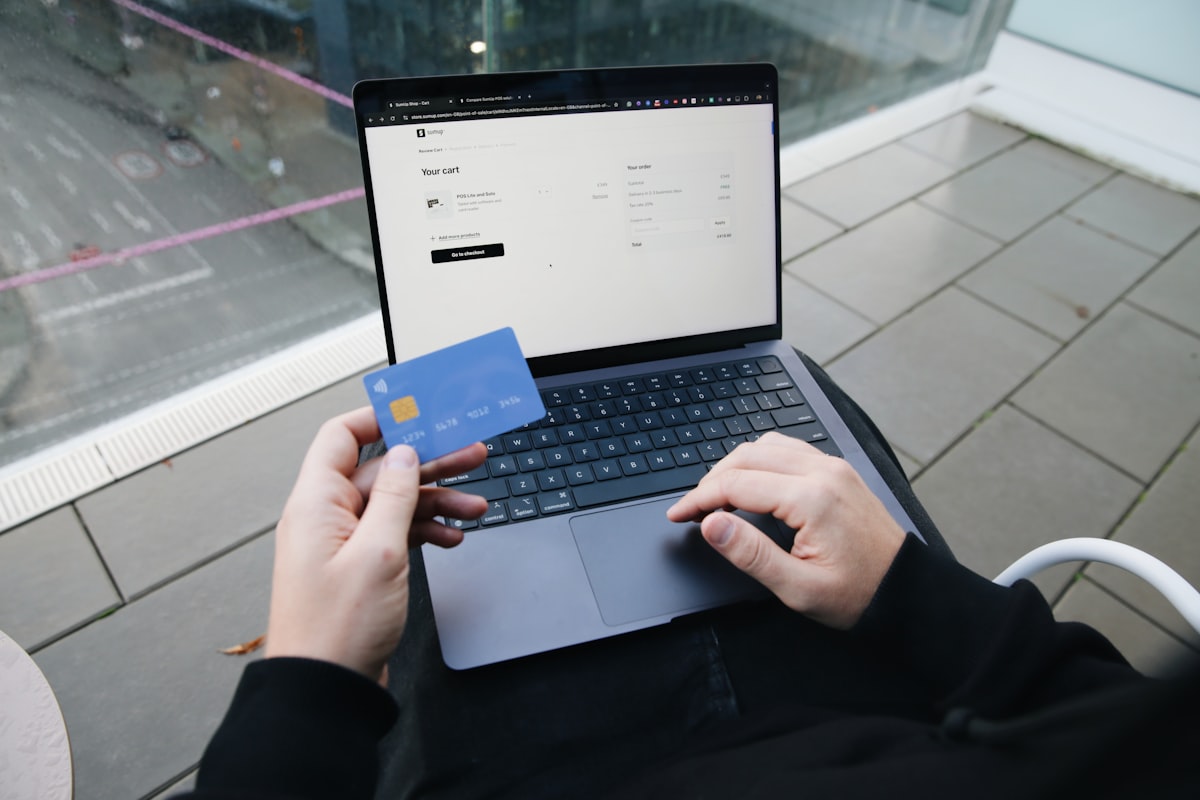
Here's a step-by-step process for setting up your online clothing store on StoreBase™:
Step 1: Sign Up and Choose Your Plan
Visit StoreBase™ and sign up. The Basic plan is perfect for getting started with your product catalogue. When you need order management, inventory tracking, and invoicing features, upgrade to the Pro plan.
Step 2: Set Up Your Store Identity
Configure your store name, logo, tagline, and brand colours in the admin panel. Choose colours that align with your fashion brand identity. StoreBase™ lets you customise the primary, secondary, and accent colours of your storefront.
Step 3: Create Your Categories
Set up categories and subcategories that make sense for your fashion niche. For example:
- Categories: Kurtis, Sarees, Lehengas, Accessories
- Subcategories: Cotton Kurtis, Silk Kurtis, Party Wear Kurtis (under Kurtis)
Step 4: Add Your Products
For each product, add:
- Product name and description (use StoreBase™'s AI tool to help generate compelling descriptions)
- Multiple high-quality images
- Category and subcategory
- Price and any discounted pricing
- Variants (sizes, colours) with stock levels
If you have a large catalogue, use the bulk import feature to upload products via Excel spreadsheet. This is much faster than adding products one by one.
Step 5: Set Up Payments
Configure your preferred payment gateway (Razorpay, PhonePe, or Cashfree). Or start with WhatsApp ordering if you prefer manual order processing initially.
Step 6: Configure Shipping
Set up your shipping rates and free shipping threshold. If you offer free shipping on orders above ₹999, configure this in your store settings.
Step 7: Add Social Proof
Enable StoreBase™'s social proof features to build buyer confidence:
- Trust badges: "100% Handloom", "Free Returns", "Secure Payments"
- Testimonials: Add customer testimonials from your existing buyers
- Instagram feed: Showcase your Instagram posts on your store
- Product reviews: Enable reviews so customers can share their experience
Step 8: Connect Your Domain
Your store launches on yourstore.storebase.in. When you're ready, connect your own custom domain (yourboutiquename.com) for a more professional presence.
Marketing Your Clothing Store on Instagram
For fashion businesses in India, Instagram is the single most important marketing channel. Here's how to use it effectively:
Content Strategy
- Product posts: High-quality photos of individual products, styled attractively. Use relevant hashtags (#IndianFashion, #HandloomSaree, #KurtiOnline, etc.).
- Reels: Short videos showing the product from different angles, fabric texture close-ups, styling ideas, or behind-the-scenes of your production process. Reels get significantly more reach than static posts.
- Stories: Daily behind-the-scenes content, new arrival announcements, polls ("Which colour do you prefer?"), and customer testimonials. Stories keep you visible in your followers' feed.
- User-generated content: Repost photos from customers wearing your products (with permission). This is the most trusted form of marketing — real customers, real photos.
Instagram to Store Pipeline
Your Instagram bio should link directly to your StoreBase™ store. When you post a product, direct people to your store URL for purchasing. The flow is:
- Customer sees your product on Instagram
- Taps the link in your bio or story
- Browses your product catalogue on your store
- Orders via cart checkout or WhatsApp
StoreBase™'s Instagram feed integration lets you showcase your Instagram content directly on your store's homepage. This creates a seamless visual connection between your Instagram presence and your store.
Influencer Marketing
You don't need Bollywood celebrities. Micro-influencers (5,000-50,000 followers) in your niche are often more effective and affordable. Look for fashion bloggers, stylists, or content creators who align with your brand. Many are open to barter collaborations — they get free products, you get exposure to their audience.
Paid Instagram Ads
Start small — even ₹500-1,000 per day can drive meaningful traffic. Target based on:
- Location (cities where you can deliver)
- Interests (fashion, online shopping, specific styles)
- Demographics (age group, gender)
- Lookalike audiences (people similar to your existing customers)
Operations and Fulfilment
Running an online clothing business involves more than just having a beautiful store. Here are the operational essentials:
Packaging
First impressions matter. Your packaging is the first physical touchpoint with your customer:
- Use branded poly bags or boxes if your budget allows.
- Include tissue paper for a premium unboxing experience.
- Add a thank-you card with care instructions and your social media handles.
- Ensure the product is protected against rain and rough handling during transit.
Shipping Partners
Popular shipping options for Indian fashion e-commerce:
- India Post: Most affordable, widest reach including remote pin codes.
- Delhivery, Shiprocket, Ecom Express: Faster delivery, better tracking, professional pickup service.
- DTDC, Blue Dart: Reliable options with good pan-India coverage.
Most shipping aggregators (like Shiprocket) offer discounted rates for e-commerce sellers and integrate pickup from your doorstep.
Returns Policy
Fashion has inherently higher return rates than other categories (sizing issues, colour differences from photos, fit preferences). Plan for this:
- Clearly state your returns policy on your store (StoreBase™ has a dedicated shipping/returns policy page).
- Offer exchange over refund where possible — you keep the revenue and the customer gets the right product.
- Include accurate size charts to reduce size-related returns.
- Use accurate product photography to minimise colour/appearance mismatches.
GST for Fashion Sellers
If your annual turnover exceeds ₹40 lakh (₹20 lakh for some states), you need to register for GST. Fashion products typically fall under GST rates of 5% (for items priced below ₹1,000) or 12% (for items priced ₹1,000 and above). StoreBase™'s GST invoicing engine handles all the complexities — HSN codes, CGST/SGST/IGST calculations, and PDF invoice generation. For more details, check our GST compliance guide.
Ready to Launch Your Clothing Boutique?
Starting an online clothing boutique in India has never been more accessible. You don't need a physical store, a massive inventory, or technical skills. You need a curated collection, good photography, and the right platform.
StoreBase™ gives you everything a fashion seller needs: product variants for sizes and colours, multiple images per product, AI-powered descriptions, social proof features, Instagram feed integration, and flexible ordering (WhatsApp or cart checkout). All at an affordable price, with capped platform fees on your sales.
Explore our plans and launch your online boutique today. Your store can be live in minutes.
Need guidance on setting up your fashion store? Contact us — we've helped many fashion businesses get online and we're happy to help you too.
Also read: How to Start an Online Store in India — Complete Guide
Illustrations by Storyset
Ready to take your business online?
Launch your own online store in minutes. No coding, no hassle. Rs 99/month hosting + 10% of sales, total bill capped at Rs 999/month.
Get Started NowYou might also like
Why We Built StoreBase — Helping Indian Small Businesses Go Online
India has over 60 million small businesses, but most still don't sell online. We built StoreBase to change that — an affordable, India-first e-commerce platform that anyone can use.
6 min readHow to Create an Online Store in India — A Complete Guide for 2026
Learn how to create an online store in India step by step. From choosing the best platform and adding products to setting up UPI payments, GST invoicing, and marketing your store in 2026.
8 min readBest E-Commerce Platforms in India 2026 — An Honest Comparison
Comparing the best e-commerce platforms in India for 2026 — Shopify, WooCommerce, Dukaan, and StoreBase. Pricing, features, and which is right for your business.
10 min read